Yesterday, my mom told me to try throwing a pot of boiling water in the air today, when there would be the lowest temperatures of the year in the Twin Cities. Apparently, my dad had done this experiment when I was a child, but I had forgotten about it. When I woke up this morning, I noticed the sunlight would be perfect for this experiment, so I decided to do it. I made this YouTube video at 10:03 a.m. on January 23, 2026, when the temperature was -19 degrees Fahrenheit (or -28 degrees Celsius) in Chanhassen, Minnesota. Note that this was the temperature, not the wind chill (the wind chill was significantly colder). This video marks my first attempt at this science experiment. Without further ado, here is the video:
Author: scribnerorg
-
Memorizing the NATO Phonetic Alphabet Was One of the Best Things I Learned in College
…And it wasn’t even part of my college curriculum. I learned it all on my own over the course of about a day, though it took a while to commit it to memory, in which I could recall out-of-order phonetic words instantly.
The NATO phonetic alphabet is the most widely used way of communicating the letters of the Latin alphabet clearly. My dad (“Papa!”) learned the NATO phonetic alphabet when he was in the National Guard, because virtually everyone learns it in the U.S. military.
Most people have probably heard the NATO phonetic alphabet in the media, such as in movies, television shows, and books. Basically, a word is assigned to each letter of the alphabet (A=Alfa, B=Bravo, C=Charlie, etc.). It underwent rigorous testing from international agencies, and the NATO phonetic alphabet as we know it remains unchanged since being set in 1956.
This morning, I got breakfast from the drive-through at my local McDonald’s. The person receiving the order, who I assume speaks Spanish as his first language, had difficulty hearing my code for the order (codes are used to place orders when using the McDonald’s mobile app). My code was “AE30.” He had difficulty hearing the “A” and the “E.” I repeated it and he still couldn’t make out the letters, so I said “alfa echo three zero” (if I really wanted to show off my knowledge of the NATO phonetic alphabet, I would have said “alfa echo tree zee-ro,” as there are some minor differences in pronunciation and ways of saying numbers in the NATO phonetic alphabet). He then was able to place my order.
I have also used the NATO phonetic alphabet when talking to people from call centers in India. Some Indian call center employees even know the NATO phonetic alphabet themselves.
I recommend everyone learn the NATO phonetic alphabet for clarity when talking to people over radio or telephone communication systems, especially when talking to people who speak another language. It’s fun to learn and really isn’t that hard to memorize. Every now and then, I will go through the entire NATO phonetic alphabet in my head to make sure I am still able to recall all the words. Bravo!
-
No Longer Hung Up on the Hang Ups
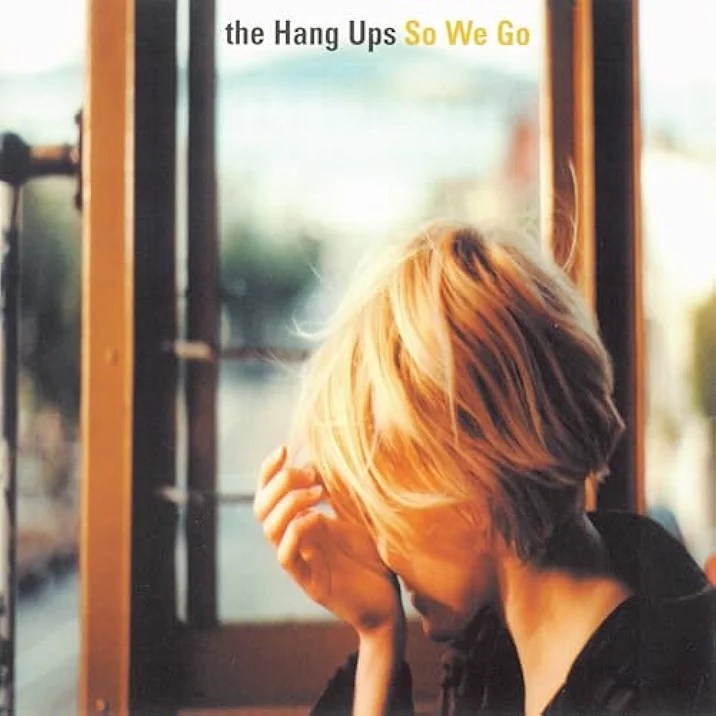
Album cover for “So We Go” by the Hang Ups. Twin/Tone Records. My only hang-up about the Hang Ups is how hard it is to come by their music. But, after many years of frustration whenever checking Amazon for MP3s by the Minneapolis band, tonight was the night I’d been waiting for. Now, four out of five of their releases are available for purchase as MP3s. I’ve been informed that their music is also available on Spotify. The Hang Ups are my favorite Minnesota artist. They made highly melodic alternative music in the ’90s. I recommend starting with their 1996 album, “So We Go.” And “What It’s All About” is my favorite song by them; it’s track 2 on “So We Go.”
-
Moving Back to the Twin Cities
I’m moving out of my short-term residence in Rochester, Minnesota, and back to the Twin Cities on Saturday, October 4. I feel I’ve grown emotionally and spiritually during my time in the city best known as the home of the Mayo Clinic, which bills itself as “the world’s best hospital.” Until my next post, this is Nicholas signing off. Onward and upward!

Sunrise over a small lake in the backyard of my short-term residence in Rochester, Minnesota. Photo taken with an iPhone 16 on September 30, 2025, at 7:00 a.m. -
2025 Minnesota Renaissance Festival
This afternoon, my mom and I spent a few hours at the Minnesota Renaissance Festival, which is located in Shakopee, Minnesota, a town near my hometown. The Minnesota Renaissance Festival is the fourth largest Renaissance fair in the United States, according to data available on Wikipedia.
I took these 16 photos from 12:00 to 1:46 p.m. with my Canon EOS R.
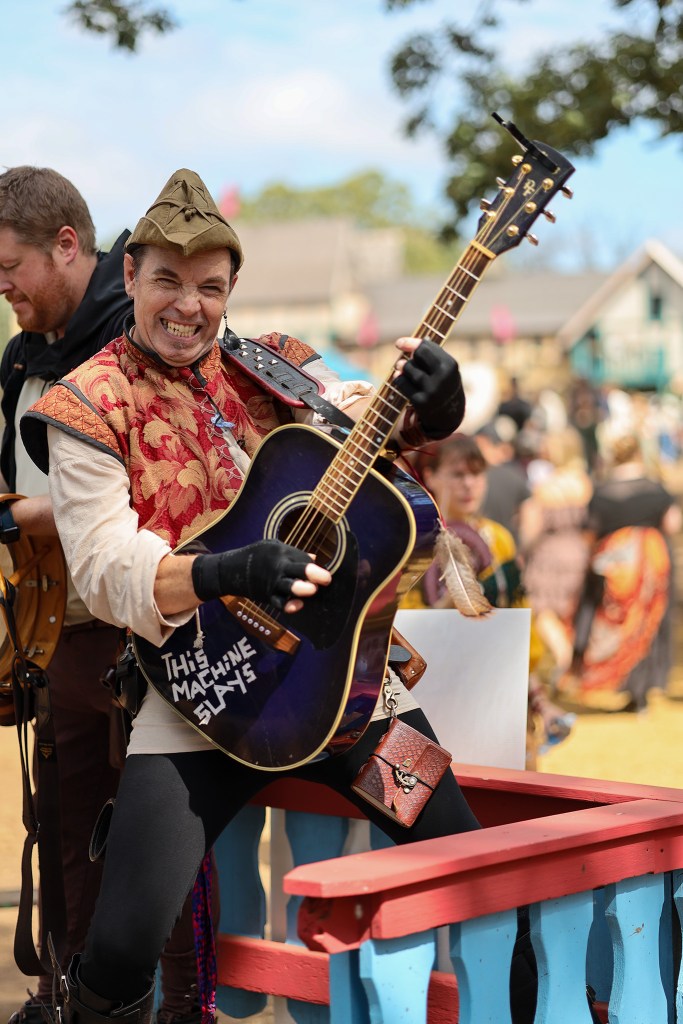
Guitarist near the King’s Gate, where we entered the Festival 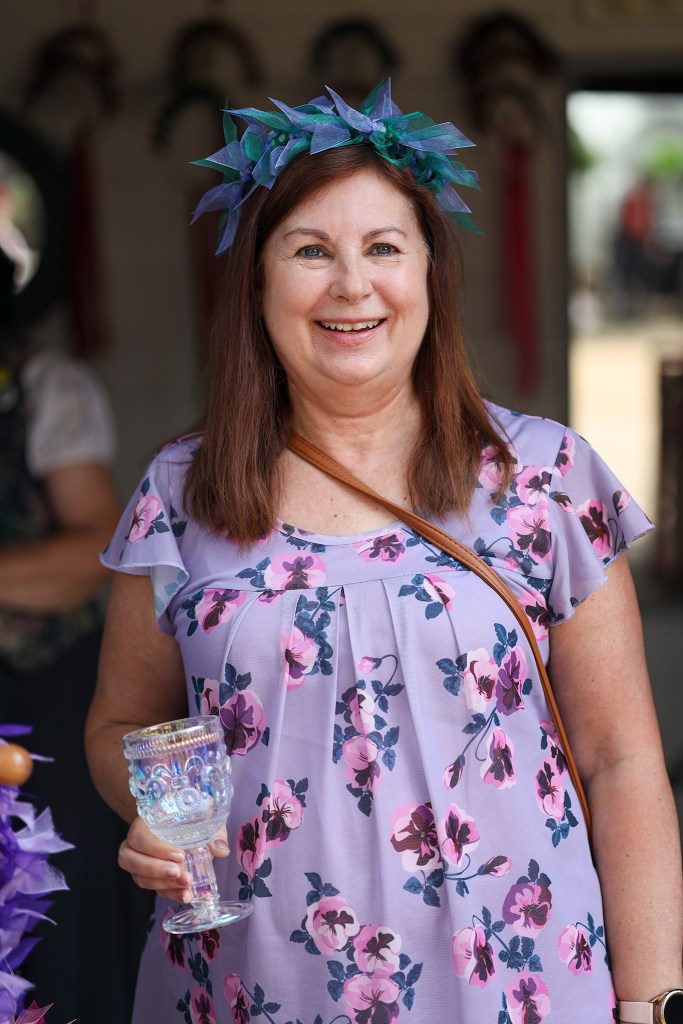
Mom trying on a garland right away and holding her mead goblet 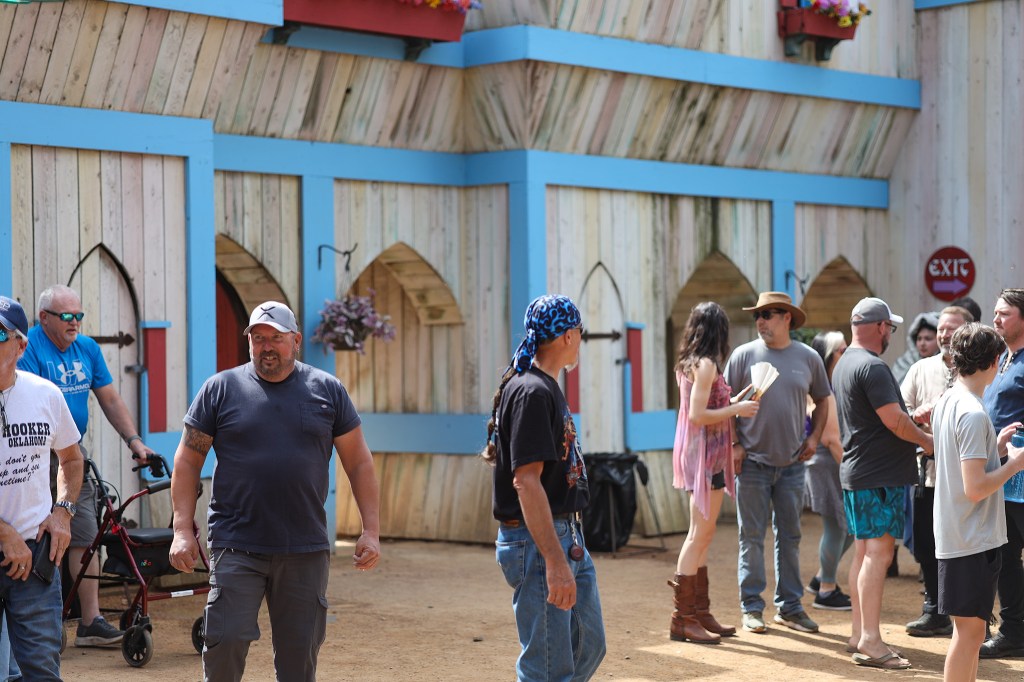
King’s Gate, an entrance and exit to the Festival 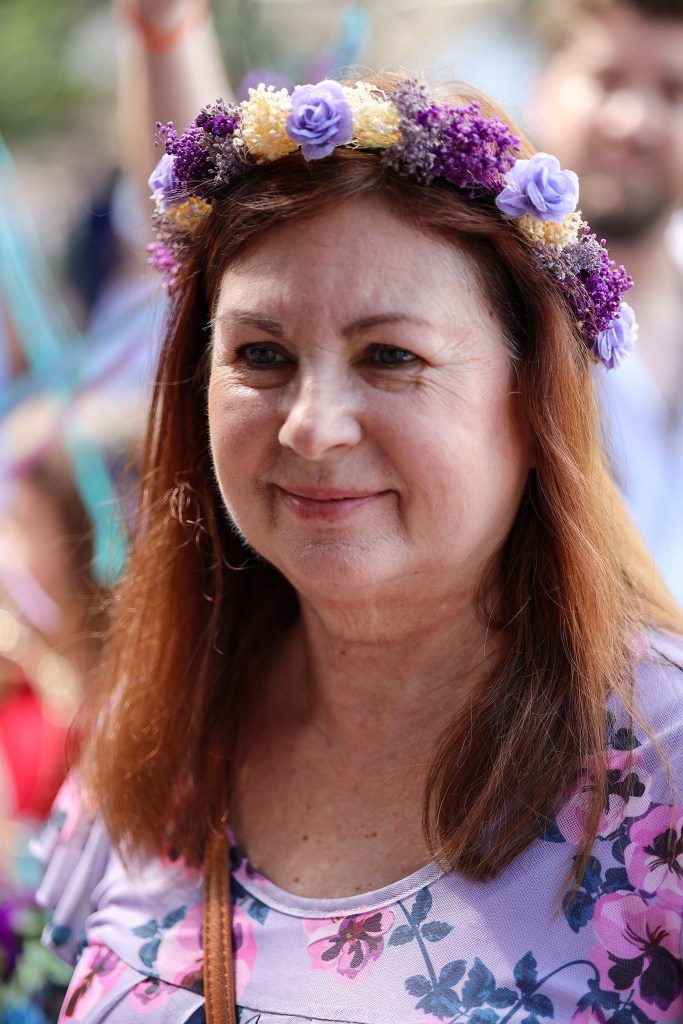
Mom trying on another garland 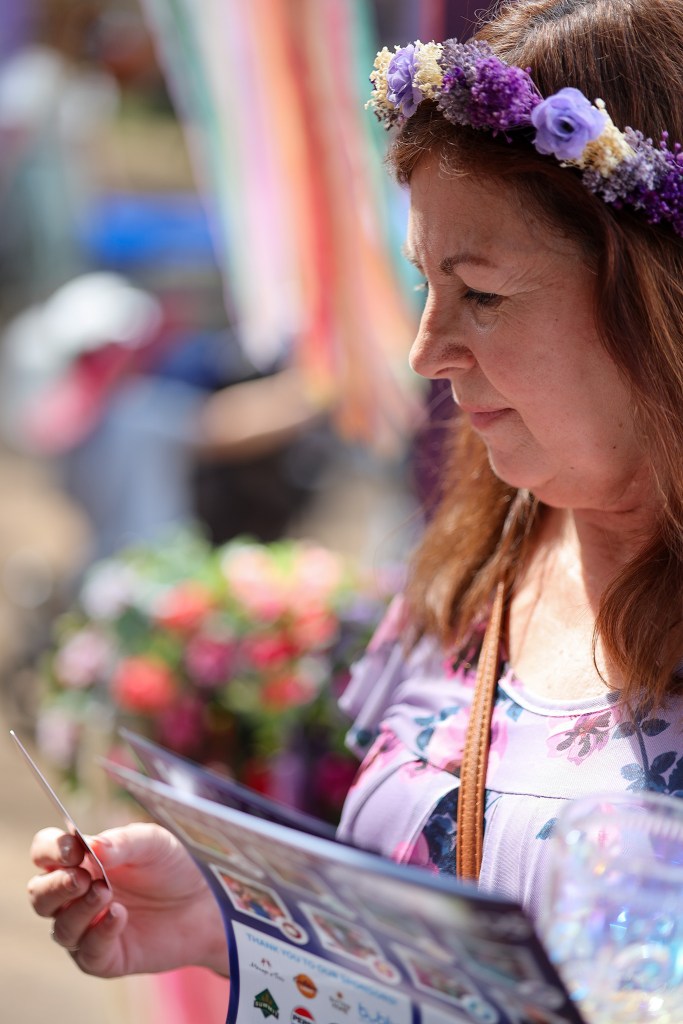
Debit card in hand, mom decides to purchase this garland 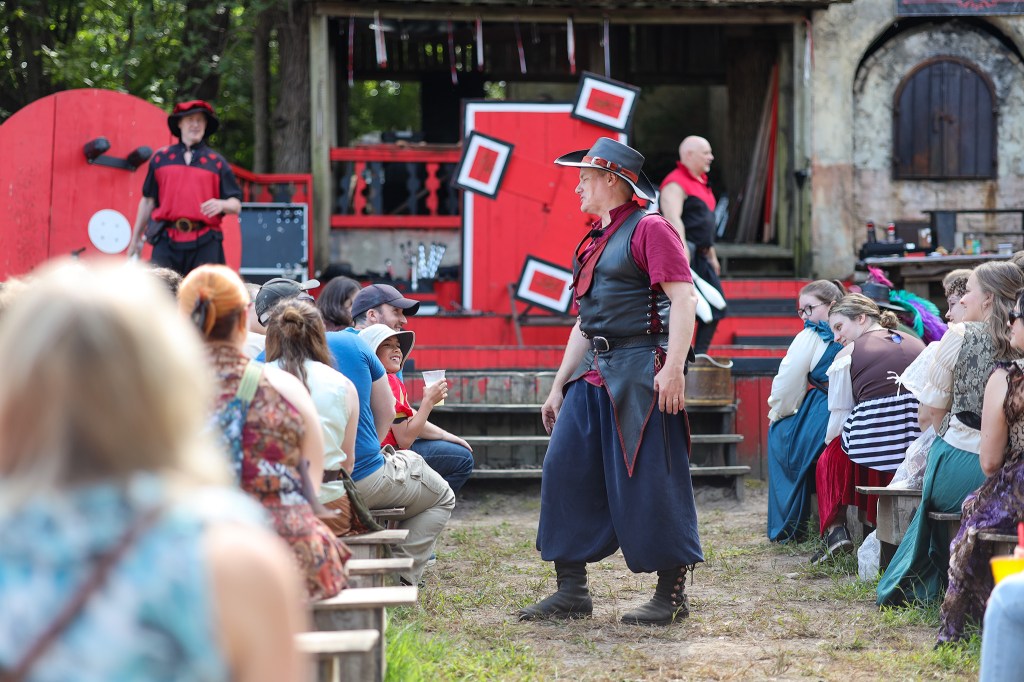
Performer in the Danger Committee seeks a volunteer from the audience 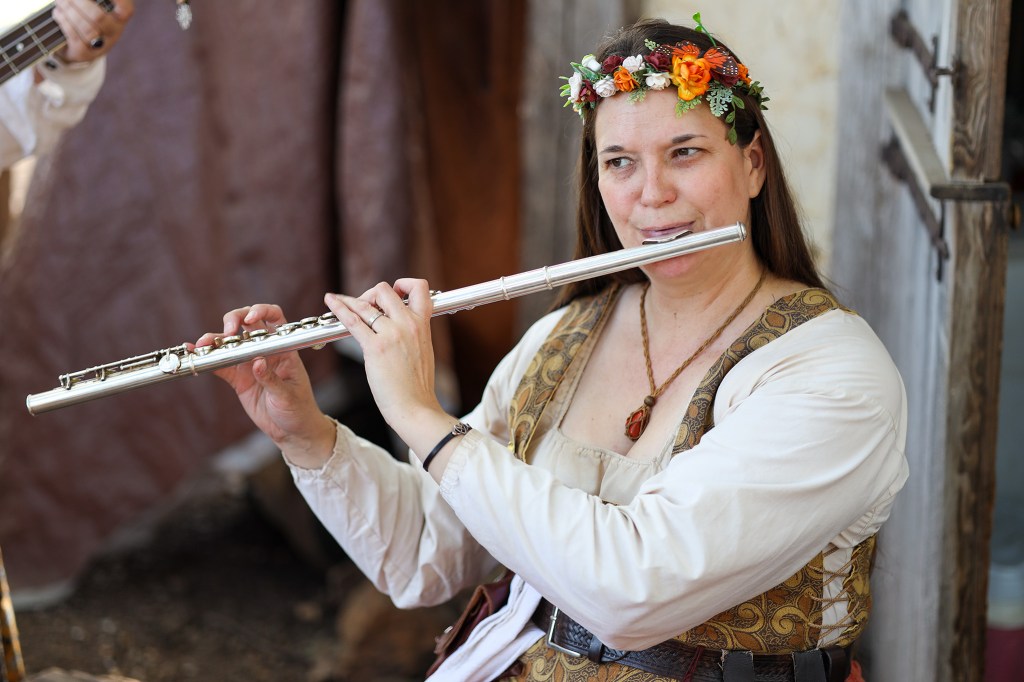
Flutist by mead stand 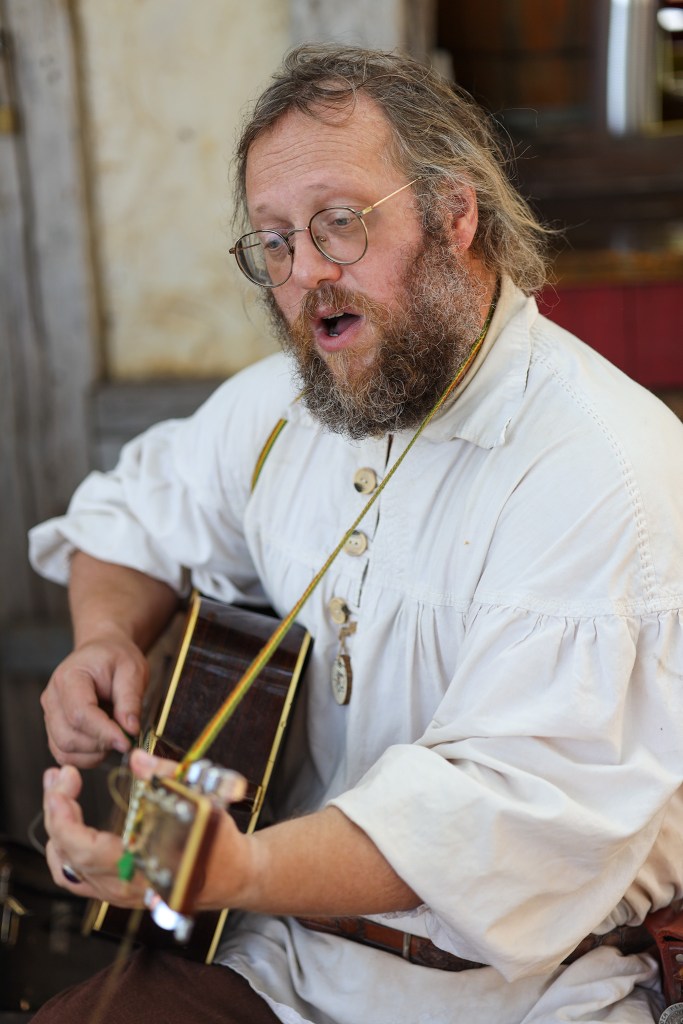
Guitarist by mead stand 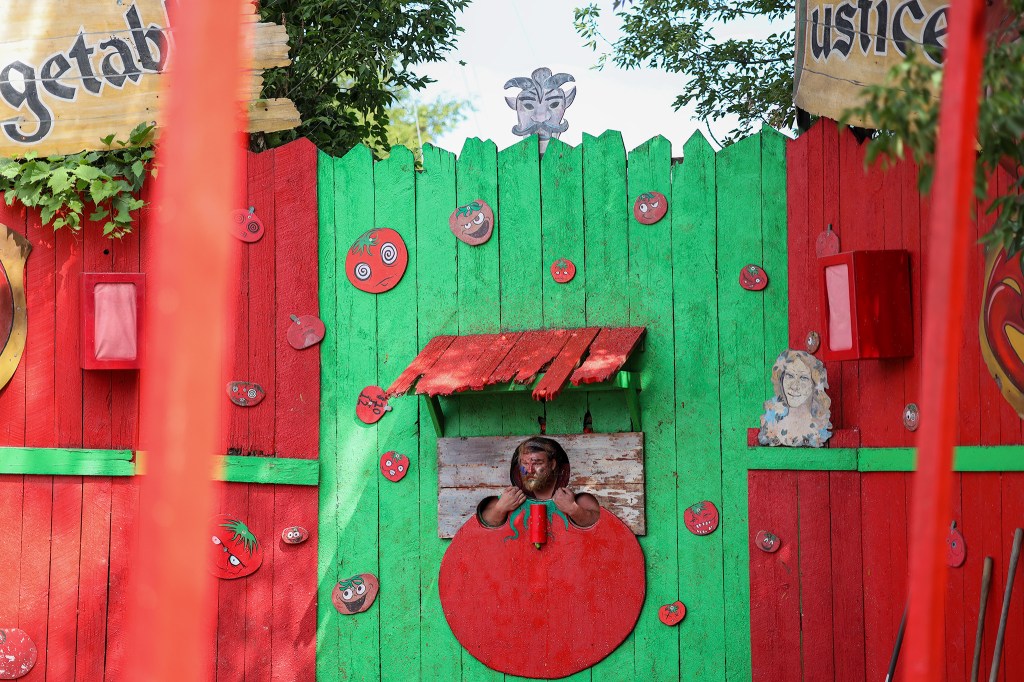
Vegetable Justice, my favorite part of the Festival when I was younger. It’s a game where participants pay money to throw tomatoes at someone who taunts them from behind holes in a wooden wall. 
Turkey Drumstick stand, my favorite food stand at the Festival 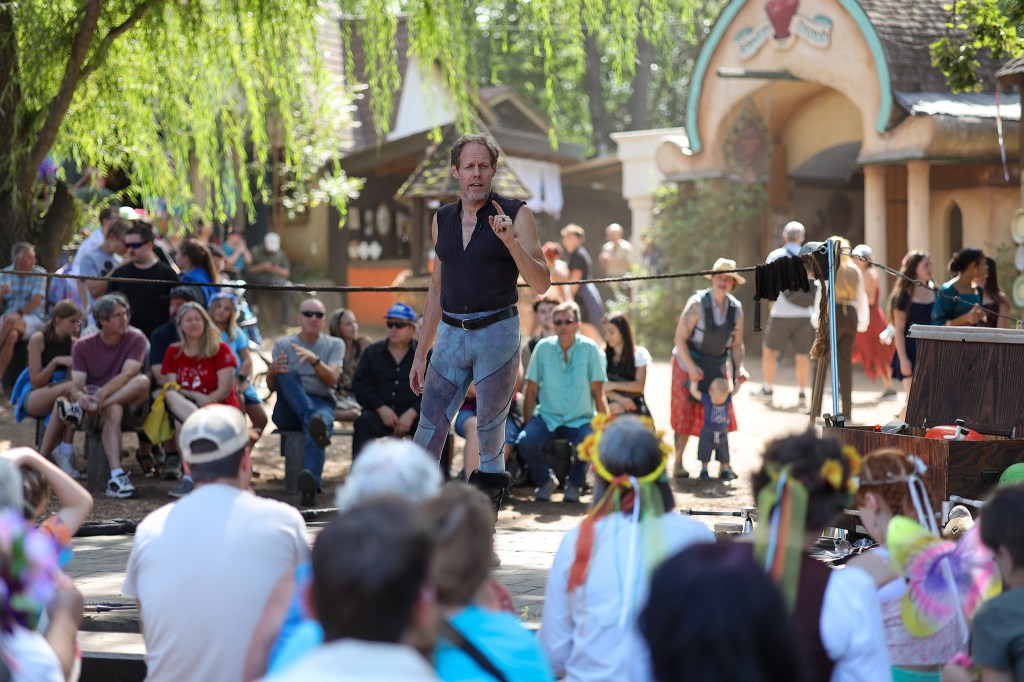
Tuey Wilson, “Comic Stunt Juggler,” talks to a large audience before his show. He has performed at every Minnesota Renaissance Festival for the last 44 years. 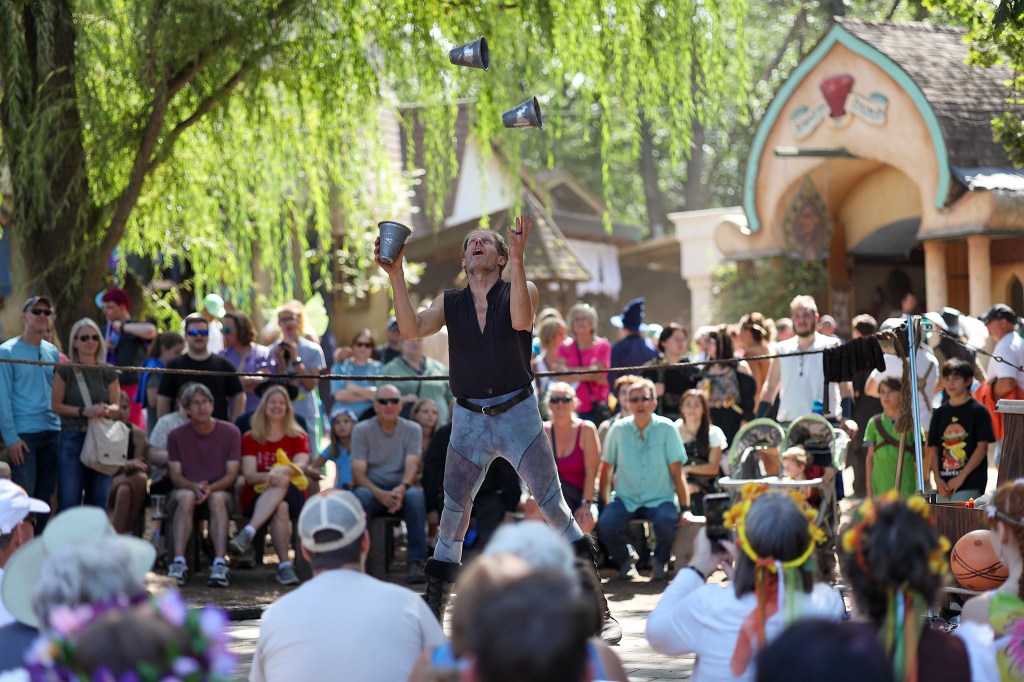
Tuey juggling metal pails 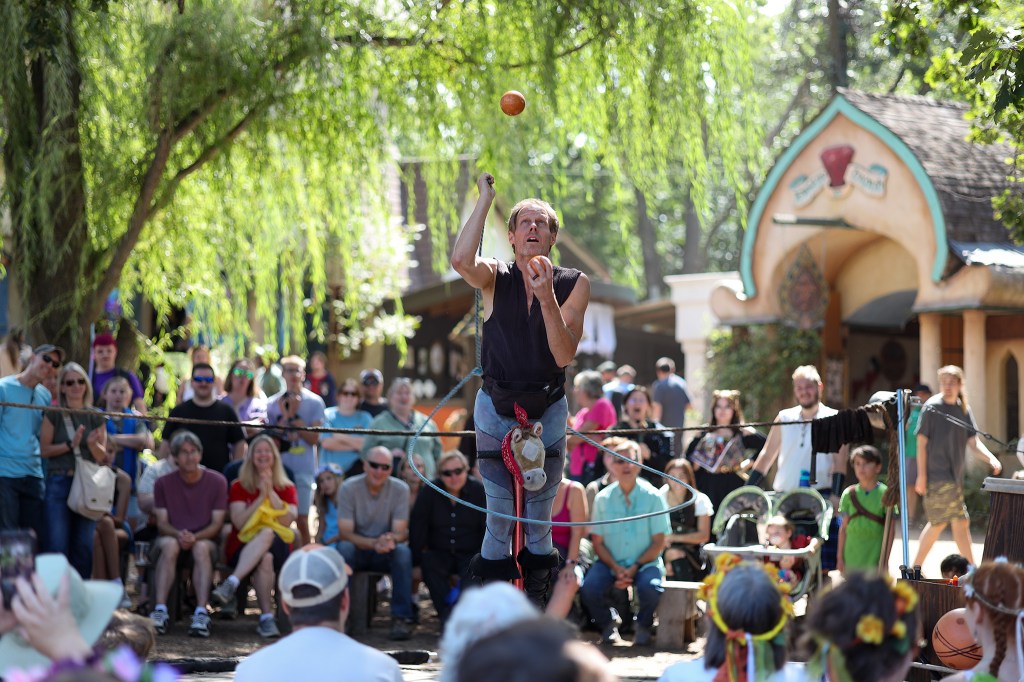
Tuey juggles balls while swinging a lasso and riding a toy horse 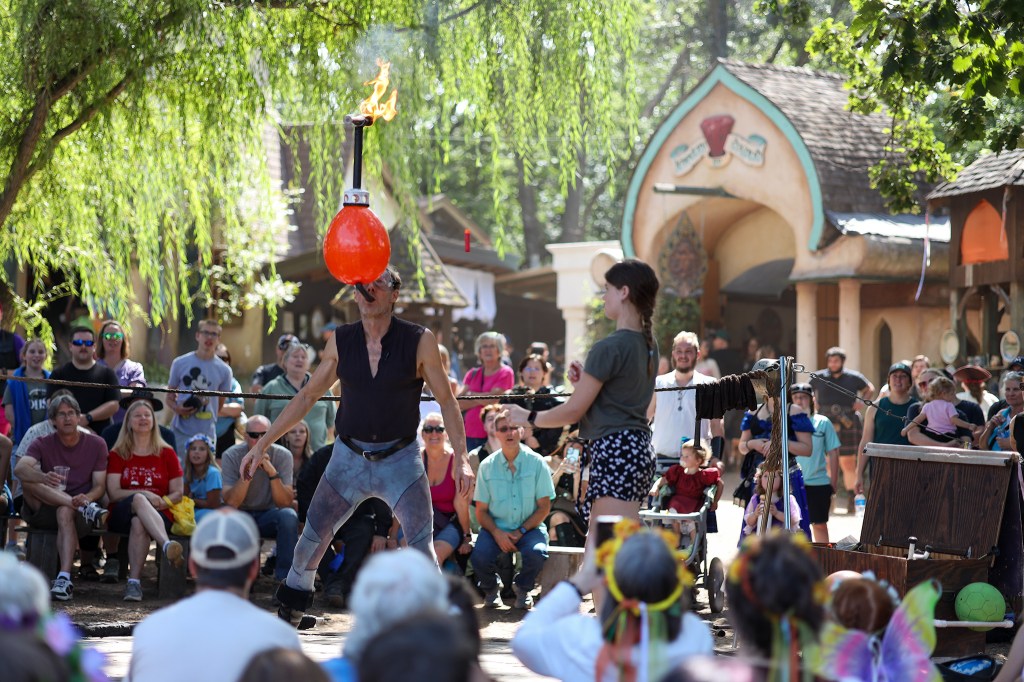
Girl volunteer from the audience throws a dart at a balloon, which Tuey is balancing with a stick in his mouth and has a flaming torch on top of the balloon 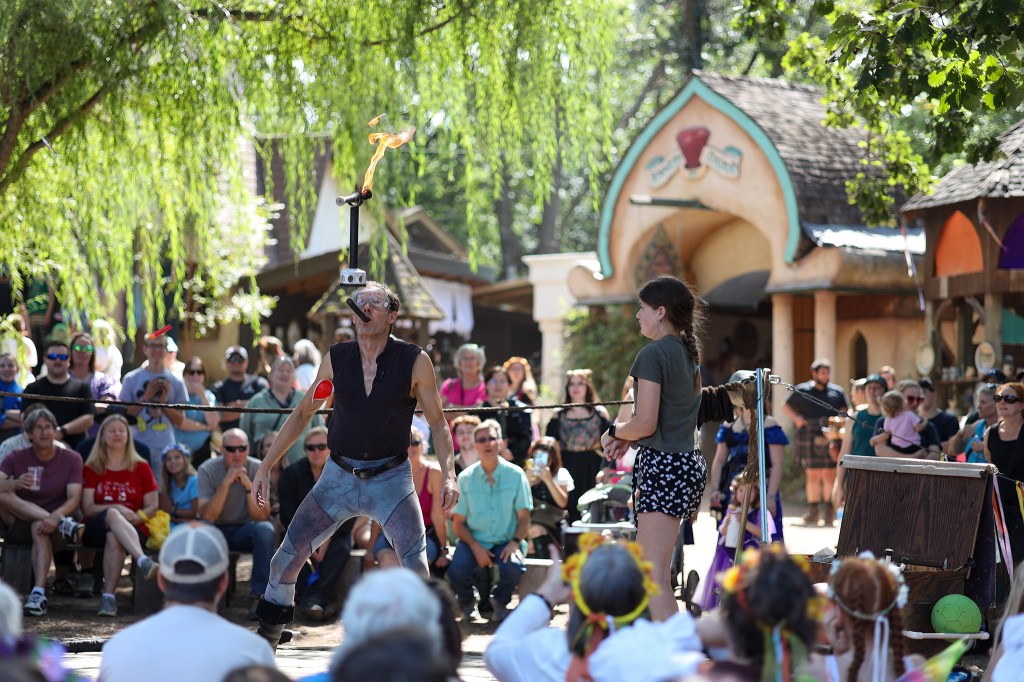
The moment the girl volunteer finally gets the balloon to burst with the dart. Tuey successfully catches the flaming torch. 
Tuey holding flaming torches on a flaming ladder that he is balancing on a flaming tightrope. Tuey previously remarked, “There is more fire in my show than any other show at the Festival!” -
Field Trip to Quarry Hill Nature Center
Today, the group of people I’m living with in Rochester, Minnesota, and I went on my second weekly field trip. This time, we went to Quarry Hill Nature Center, a park and indoor nature center in Rochester, Minnesota. I left my Canon mirrorless camera at home this past weekend, so I am now using my iPhone 16, which is a perfectly capable camera in most situations, on these field trips.
I took these 11 photos from 12:58 to 1:17 p.m.
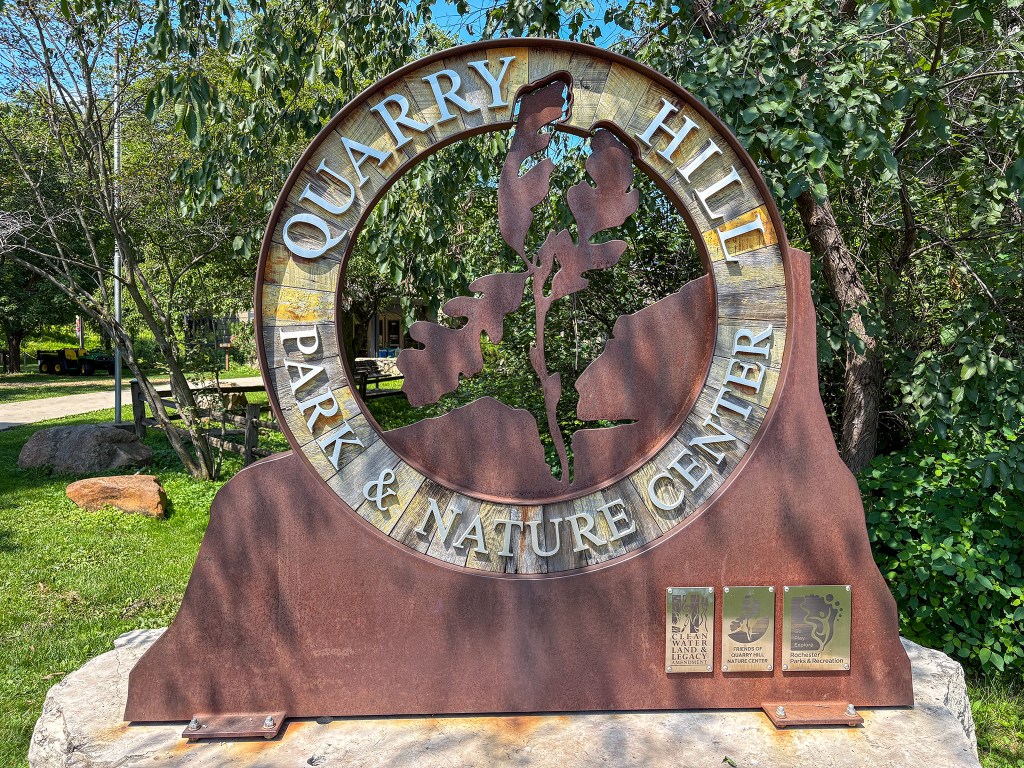
Quarry Hill Park & Nature Center sign at the entrance 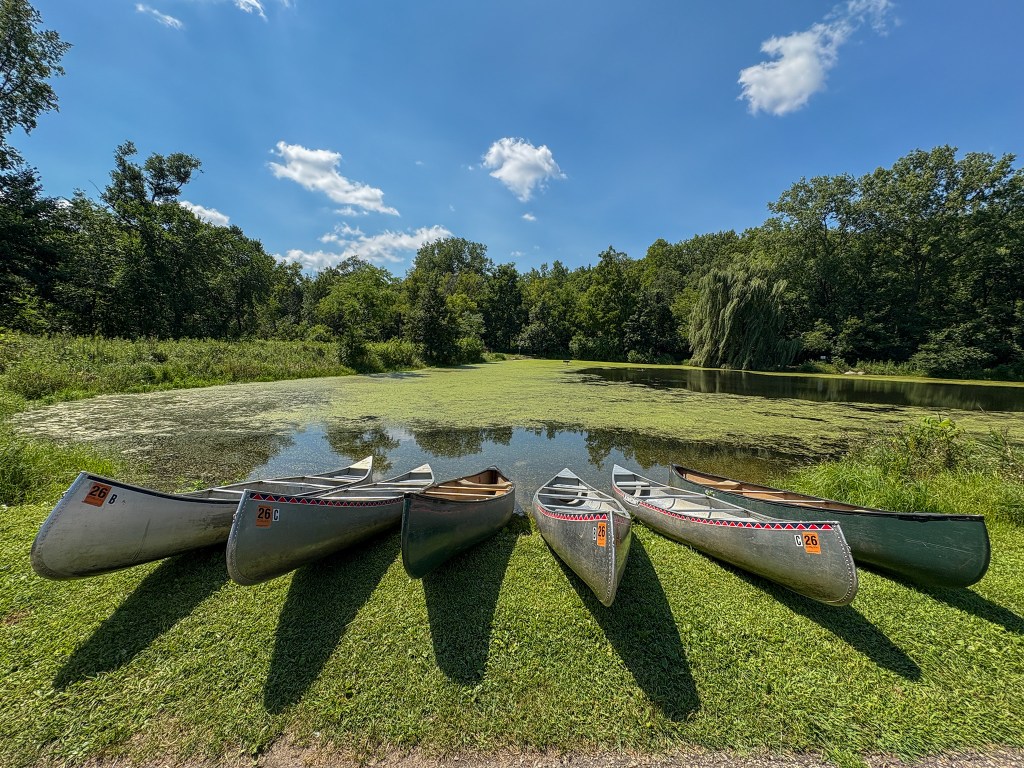
Canoes on Harry L. Buck Children’s Pond 
Crop of a dragonfly 
Echinacea purpurea, Eastern Purple Coneflower (self-identified) 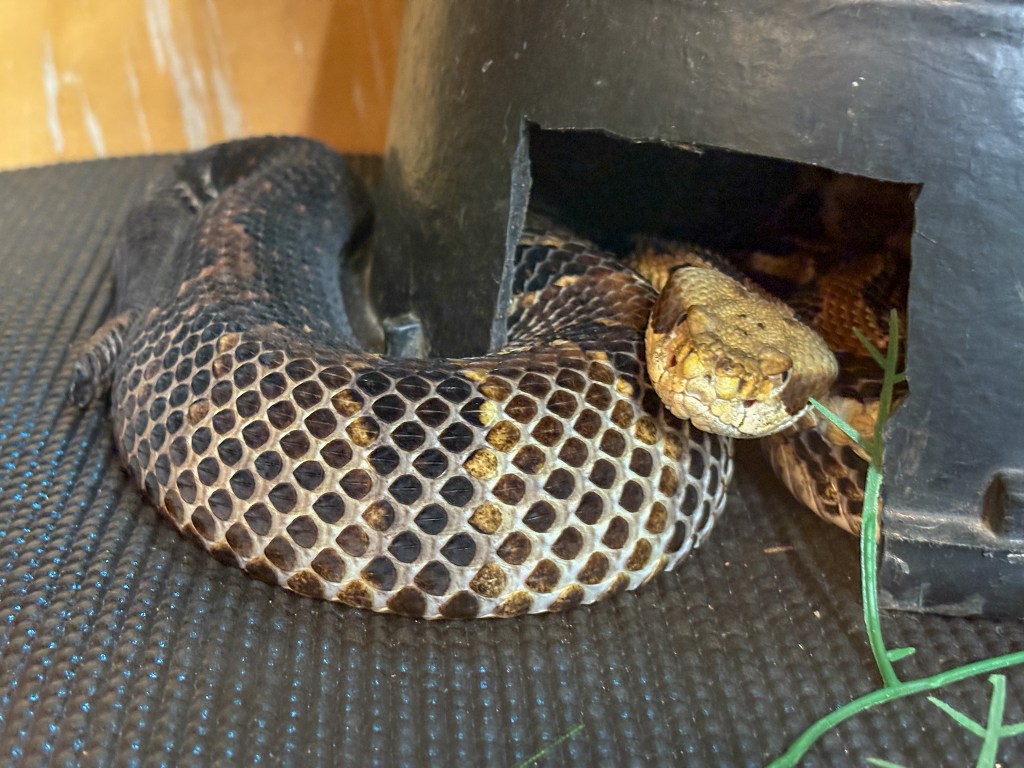
Crotalus horridus, Timber Rattlesnake 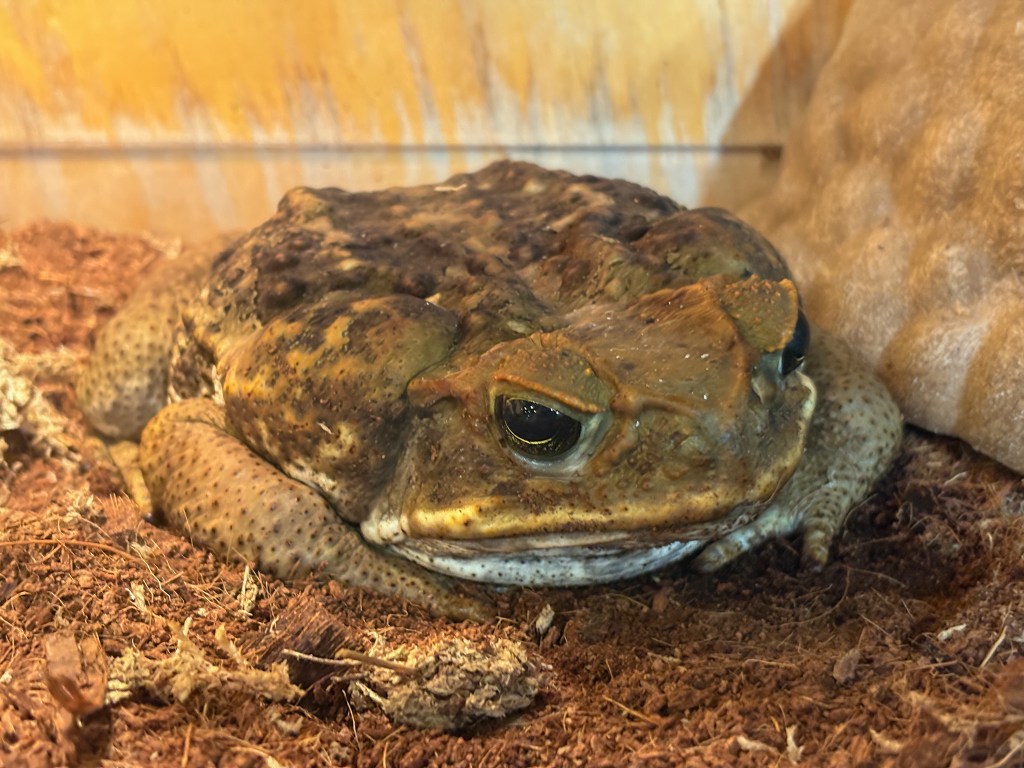
Rhinella marina, Cane Toad 
Gromphadorhina portentosa, Madagascar Hissing Cockroach 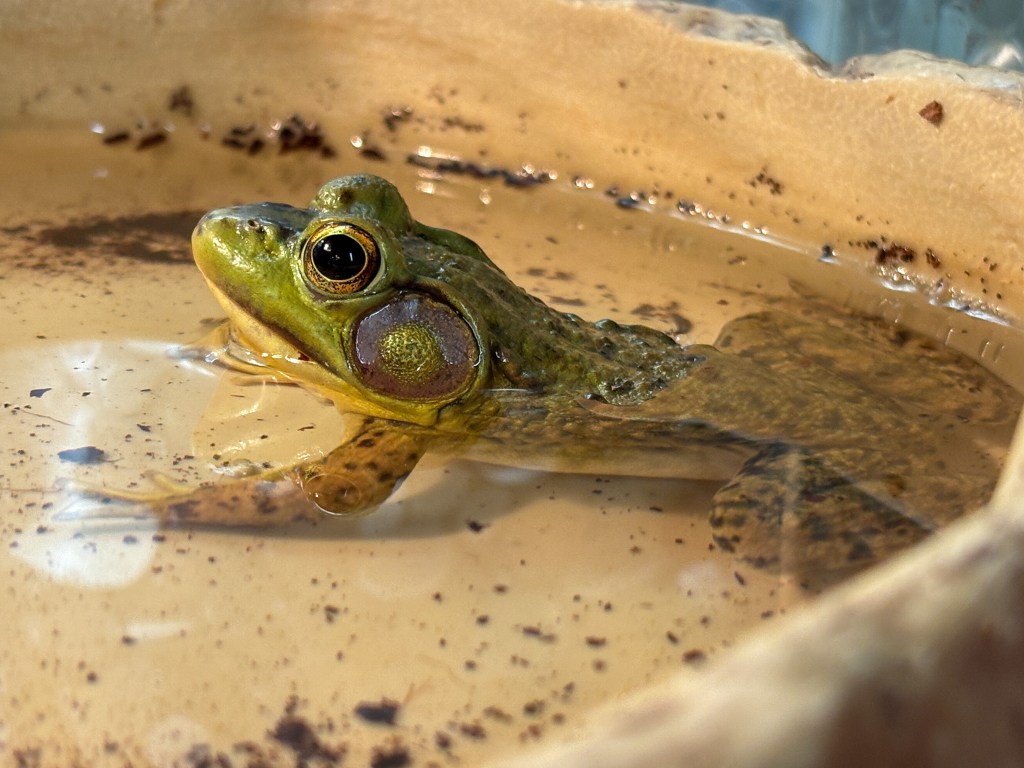
Crop of Lithobates clamitans, Green Frog 
Emydoidea blandingii, Blandings Turtle 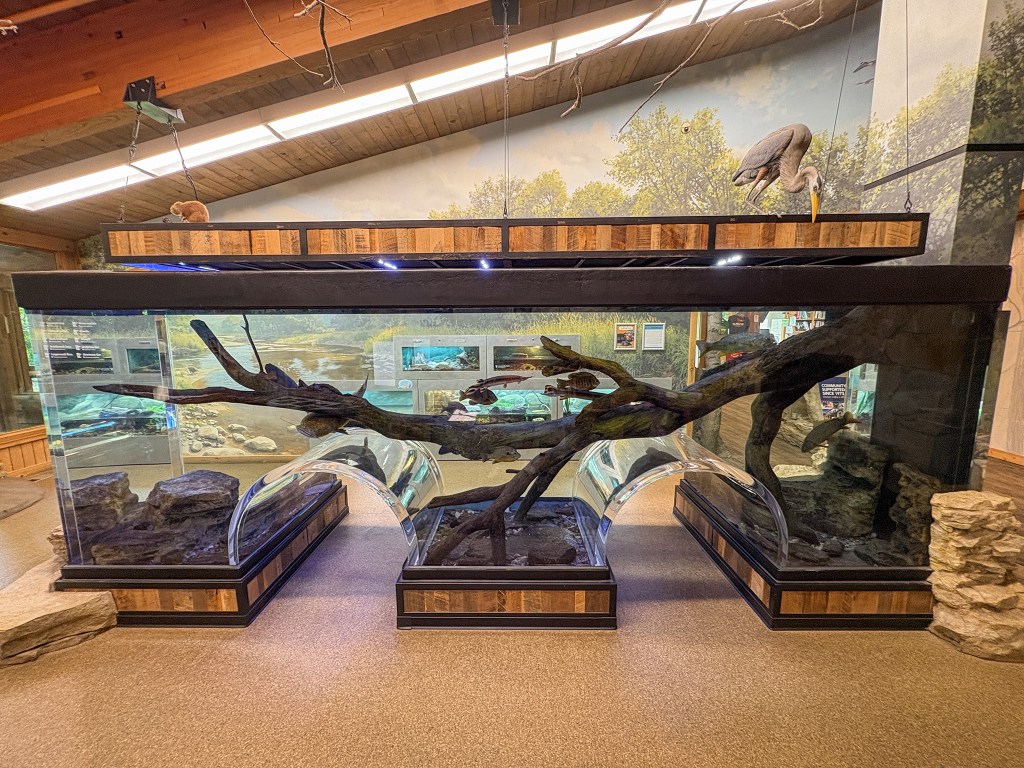
Aquarium with various species of fish 
Pituophis catenifer sayi, Bullsnake -
2025 Degele Family Reunion
My maternal grandfather, Albert, and his Degele family are having a reunion from August 8 to August 10.
I took the first four photos today from 1:15 to 2:11 p.m. in Dalton, Minnesota, at the venue for the family reunion and the last photo this evening at 6:55 p.m. at my family’s Airbnb apartment in Fergus Falls, Minnesota.

Mother and daughter, Loren with Lilly 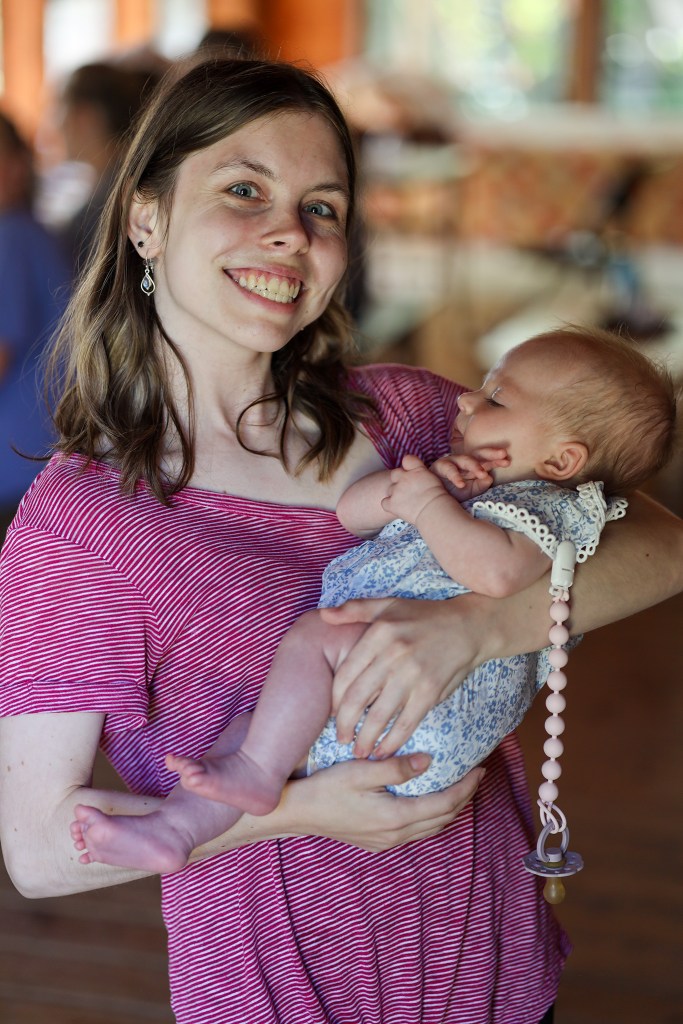
Elena with Lilly 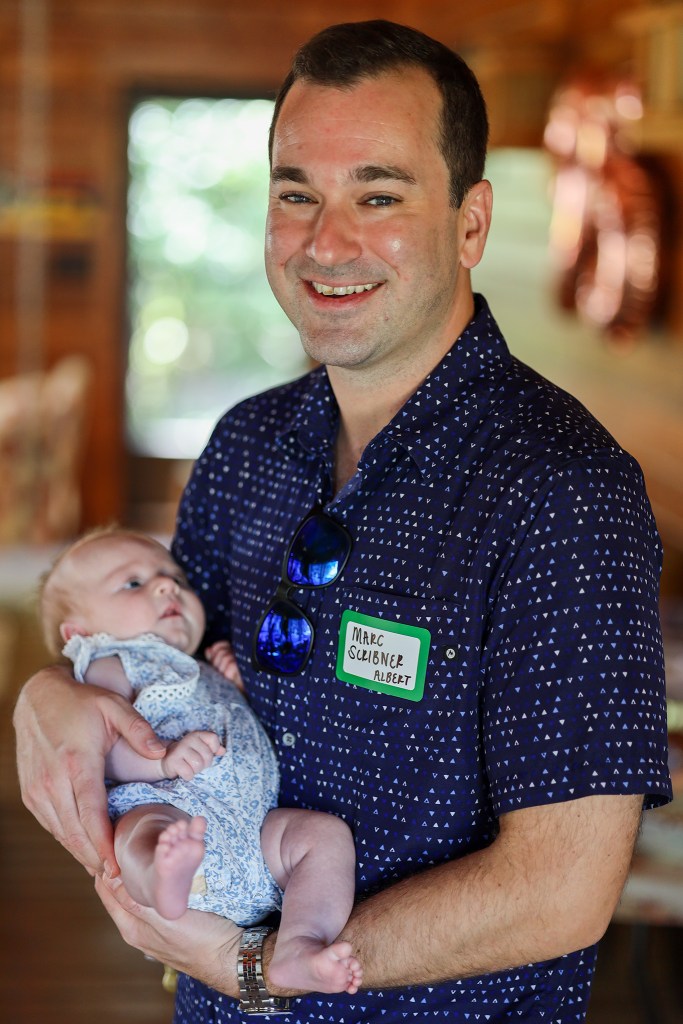
Father and daughter, Marc with Lilly 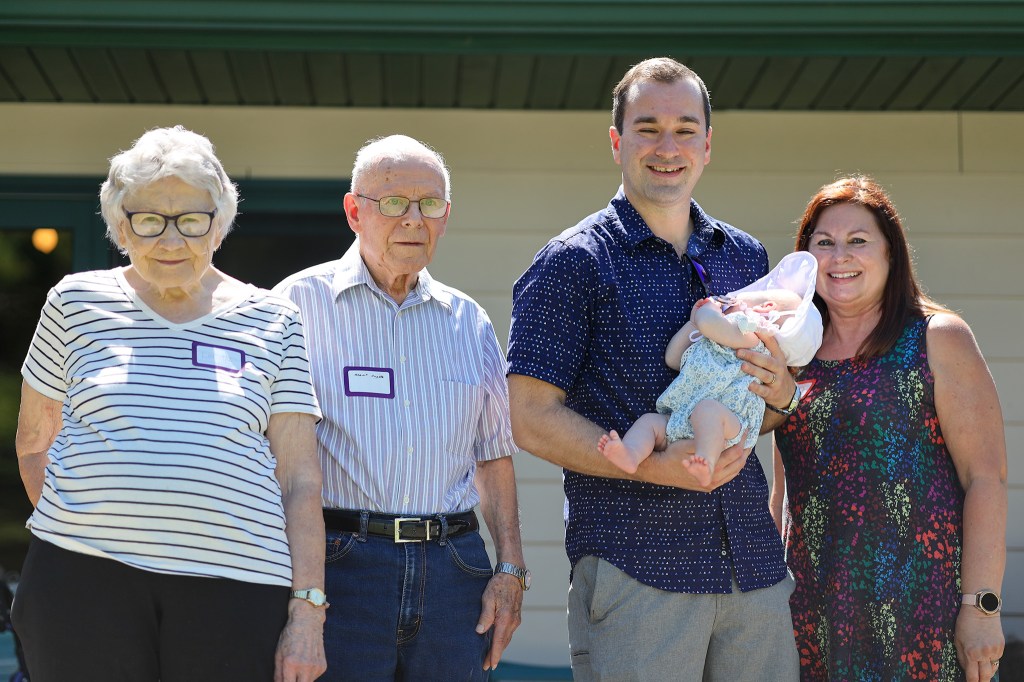
Four generations: Loretta, Albert, Marc, Lilly, and Nita 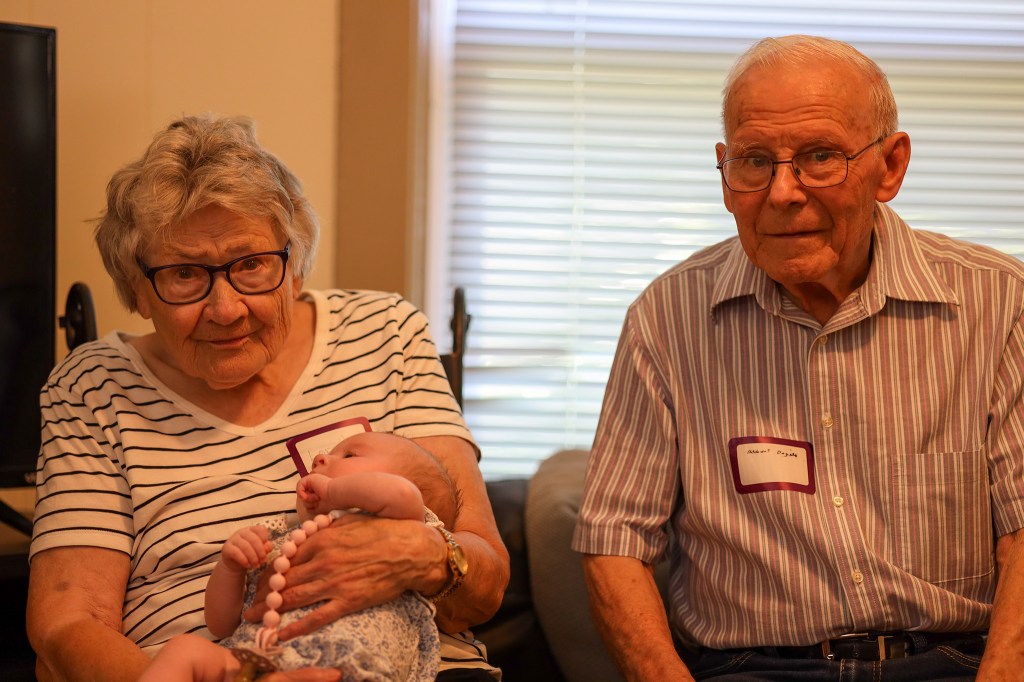
Great grandparents, Loretta and Albert, with Lilly -
My Niece, Lilly, Visits Her Paternal Grandparents’ House for the First Time
Grandpa Jeff and I saw my niece (and his granddaughter), Lilly, for the first time this evening. I took these eight photos at my house in Chanhassen, Minnesota, from 6:08 to 6:16 p.m.
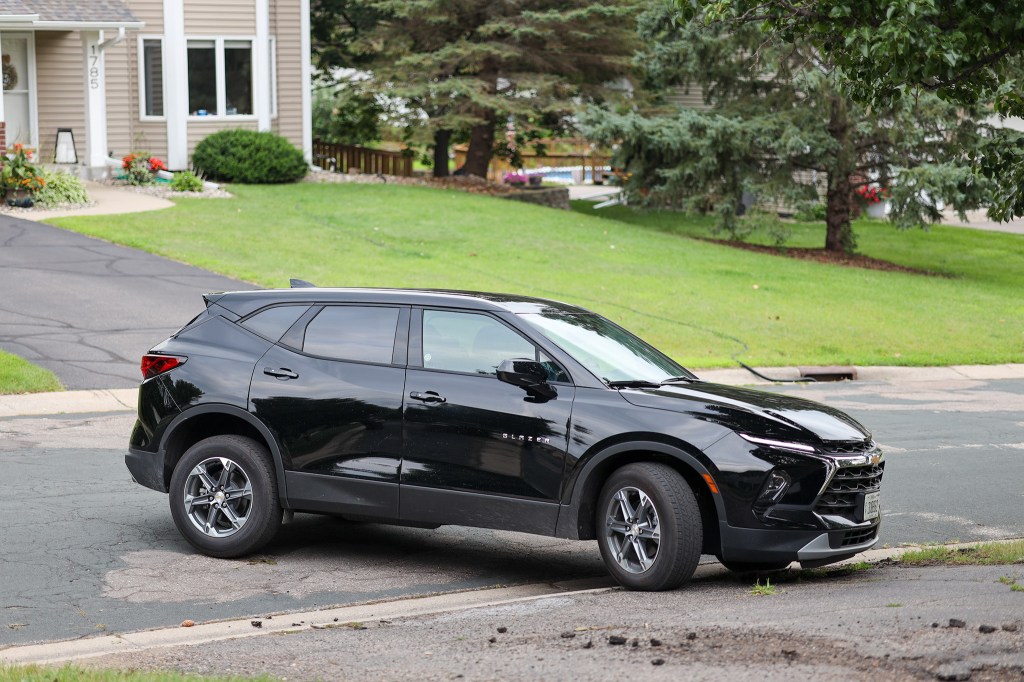
This could be considered my first photo of Lilly, since she is inside this rental car as it turns up my driveway 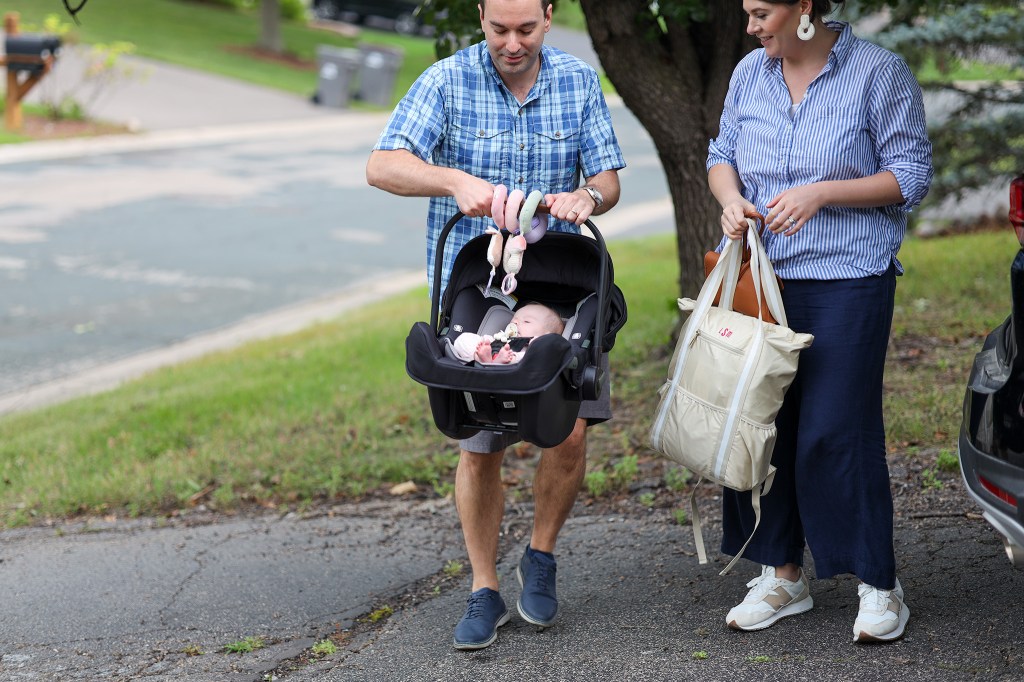
…but it makes much more sense to call this my first photo of Lilly, as it is my first exposure with her clearly visible 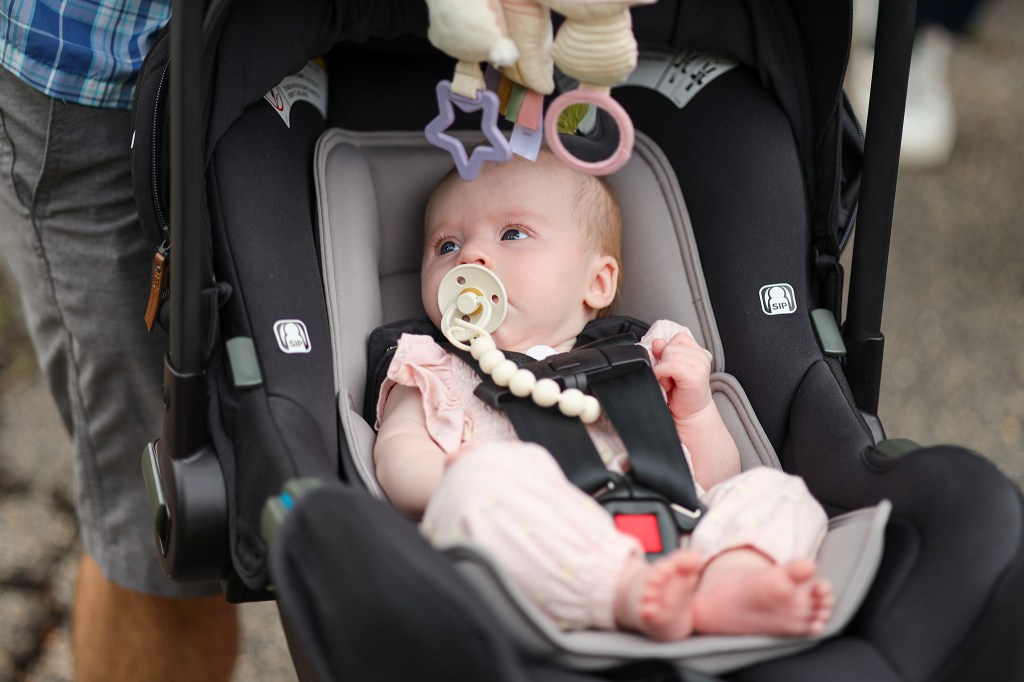
A close-up of Lilly taken outside 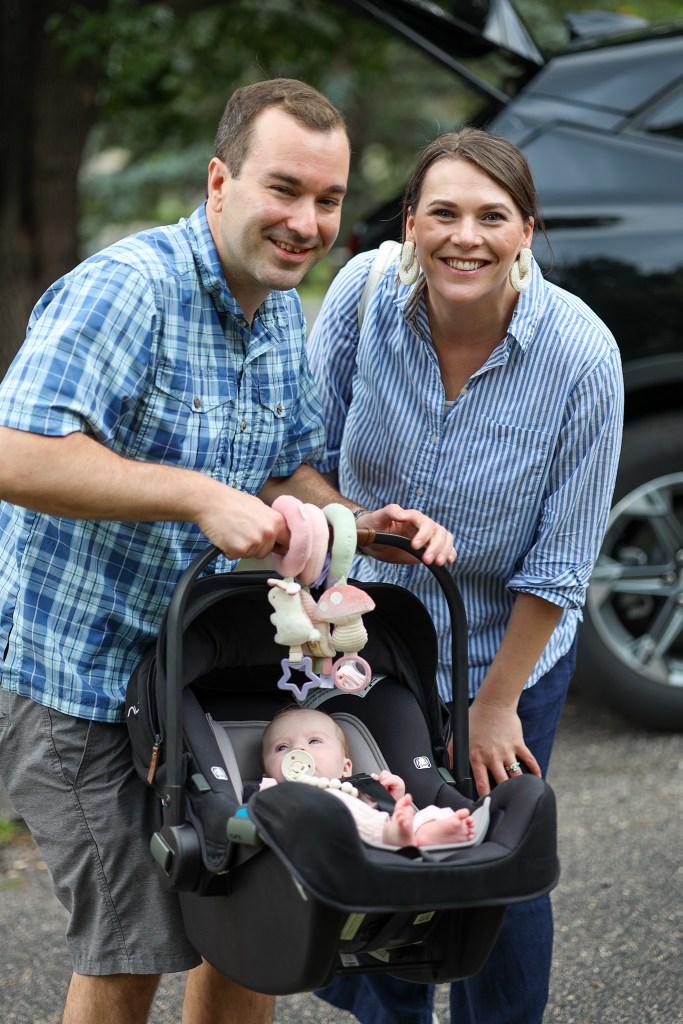
My brother, Marc, standing with Loren and Lilly 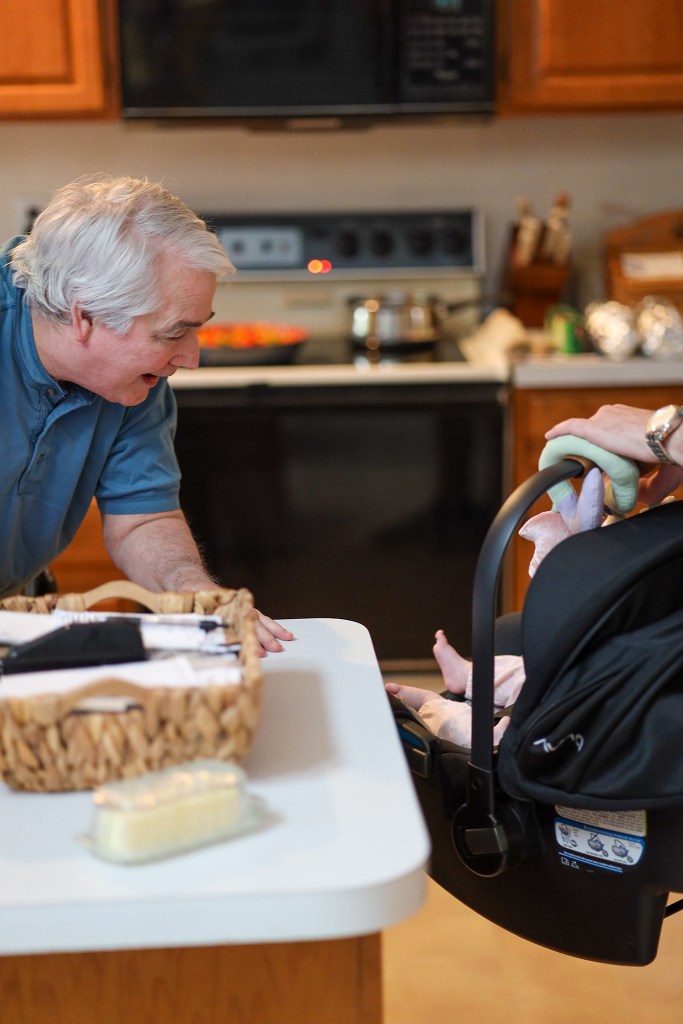
Grandpa Jeff sees his granddaughter, Lilly, for the first time. This is my first exposure of Grandpa Jeff with Lilly. 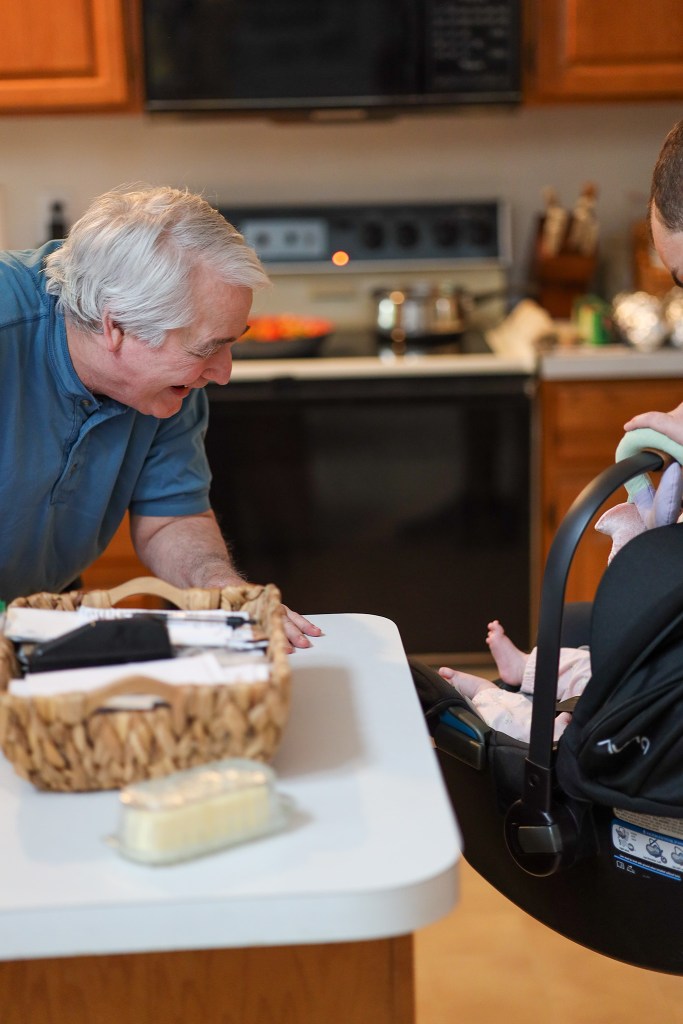
Taken three seconds later, this is my second exposure of Grandpa Jeff with Lilly 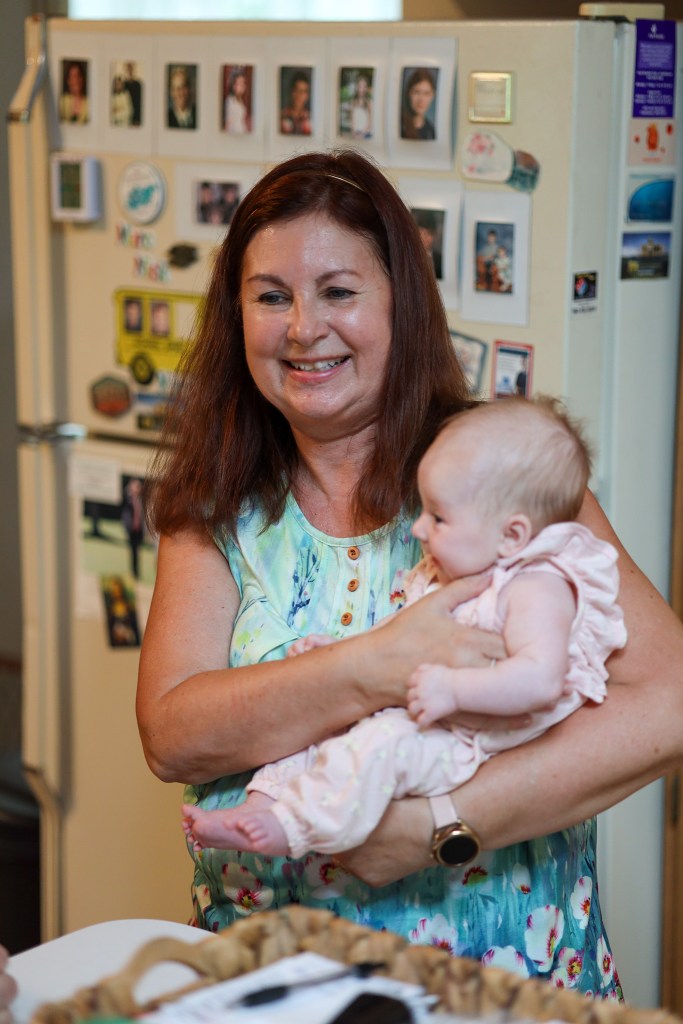
My first photo of Grandma Nita with Lilly. (N.b.: Grandma Nita had already visited Marc, Loren, and Lilly at their house in Washington, D.C., for a week.) 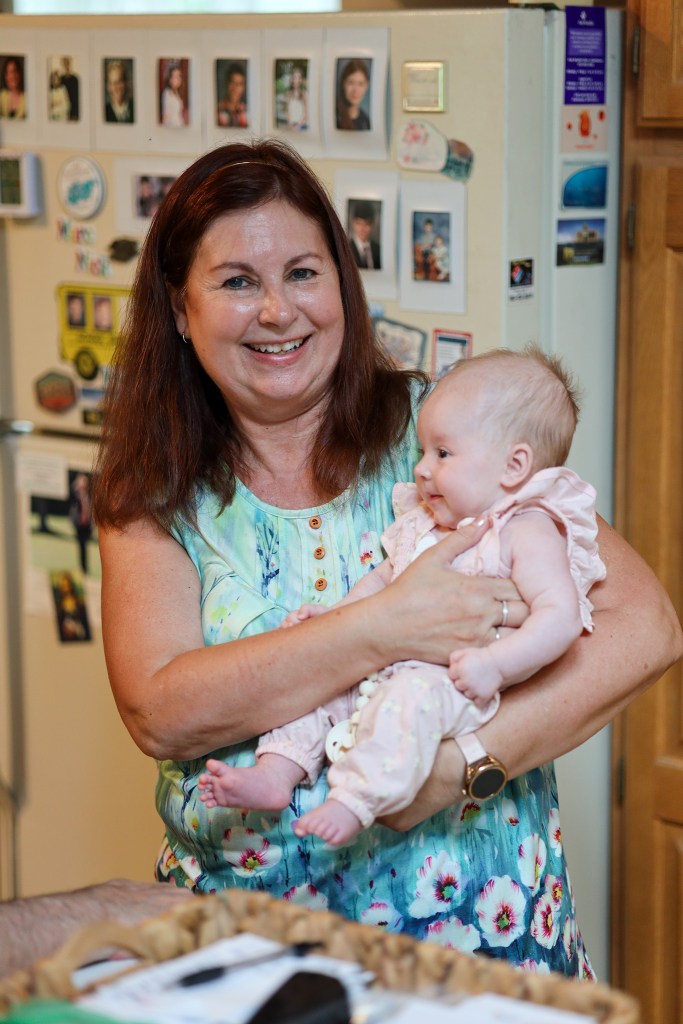
Taken five seconds later, this is my second exposure of Grandma Nita with Lilly -
Field Trip to Kinstone, the Stonehenge of the Midwest
Today, five residents (including myself) and two staff members with the facility I am currently staying at in Rochester, Minnesota, went on our weekly field trip. For this outing, we made it across the Mississippi River and over the Minnesota-Wisconsin border to Fountain City, Wisconsin, to visit Kinstone—or, as I like to call it, the Stonehenge of the Midwest.
I took these 13 photos from 1:32 to 2:11 p.m.

Great Stone Circle Planning Model inside the gift shop 
Virgin Mary by tree stump 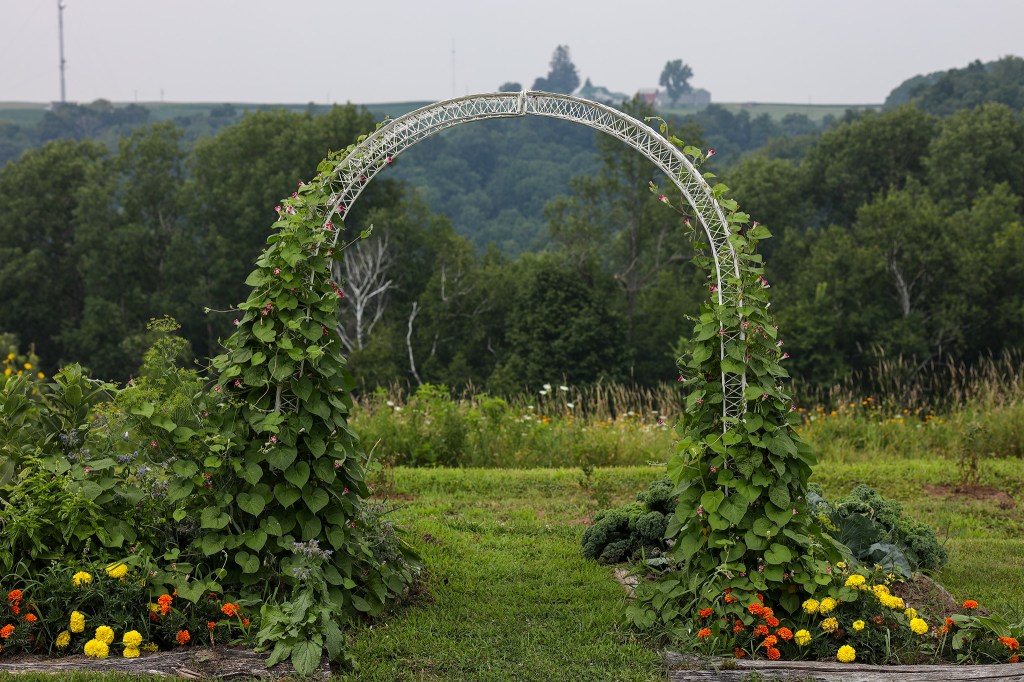
Arch with ivy 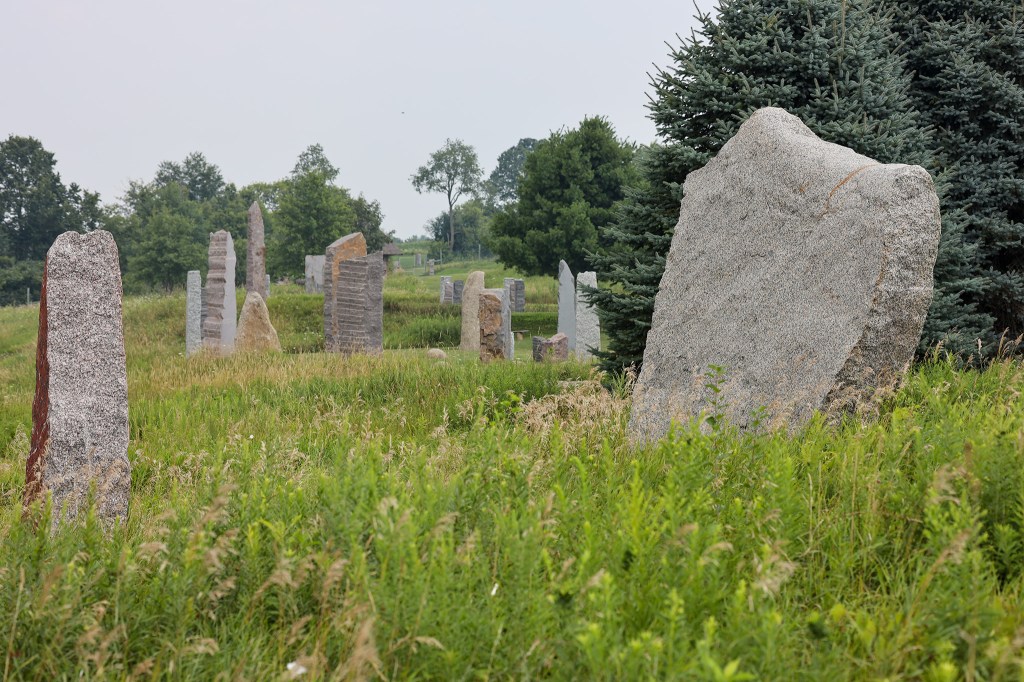
Great Stone Circle 
Peace Portal sign by the Great Stone Circle 
Center crop of a bumblebee on a black-eyed Susan 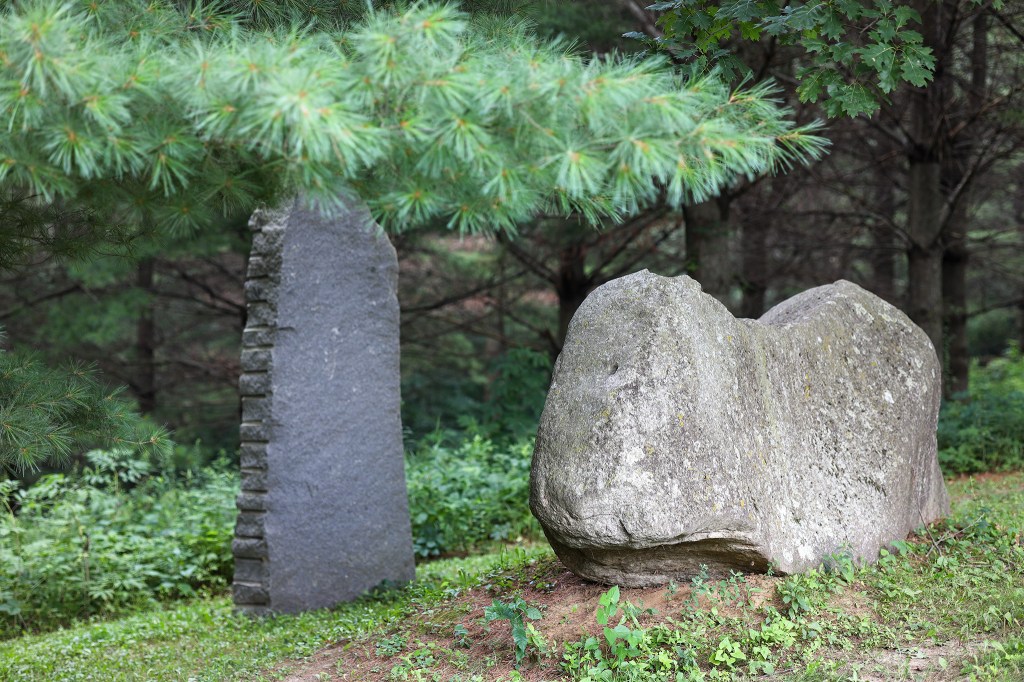
Ivan and the Watcher 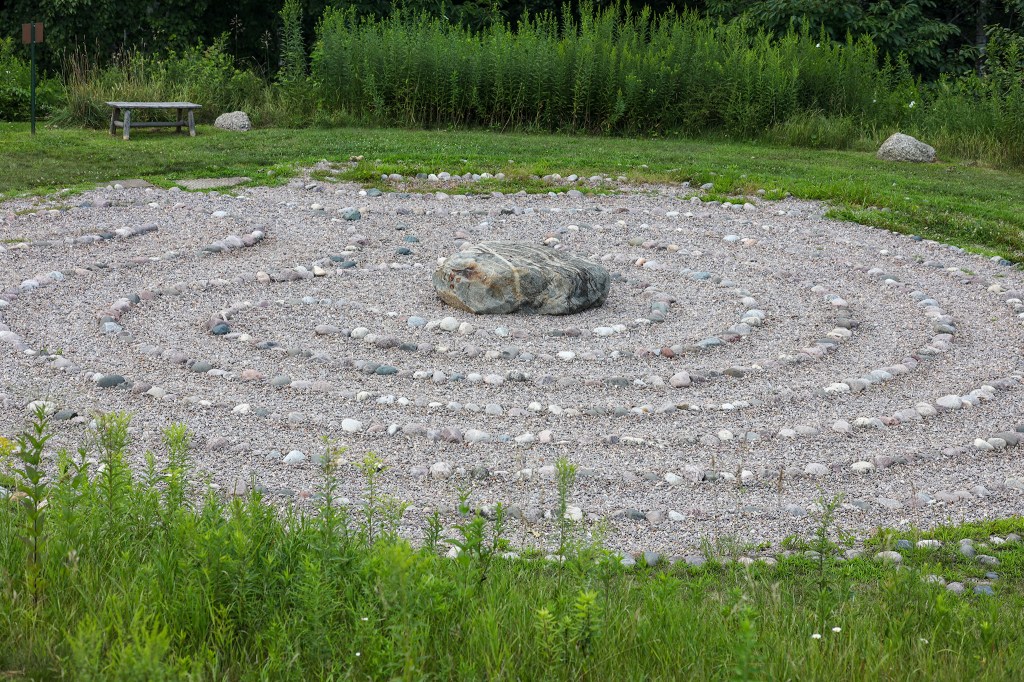
The Labyrinth 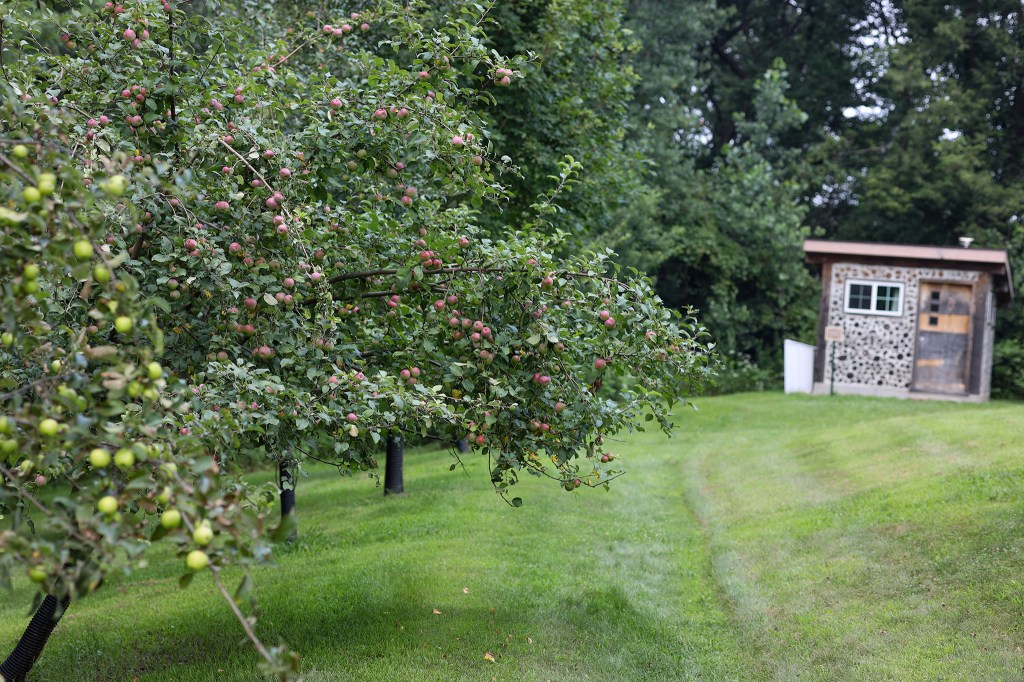
Apple trees by The Sauna 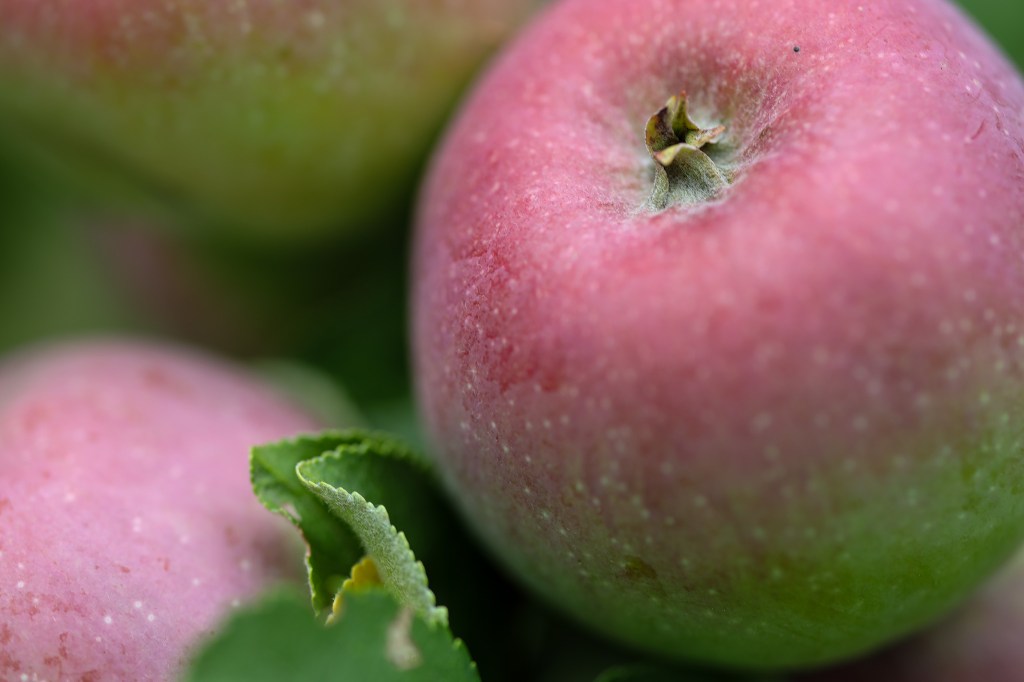
Close-up of apples growing on a tree from the previous photo 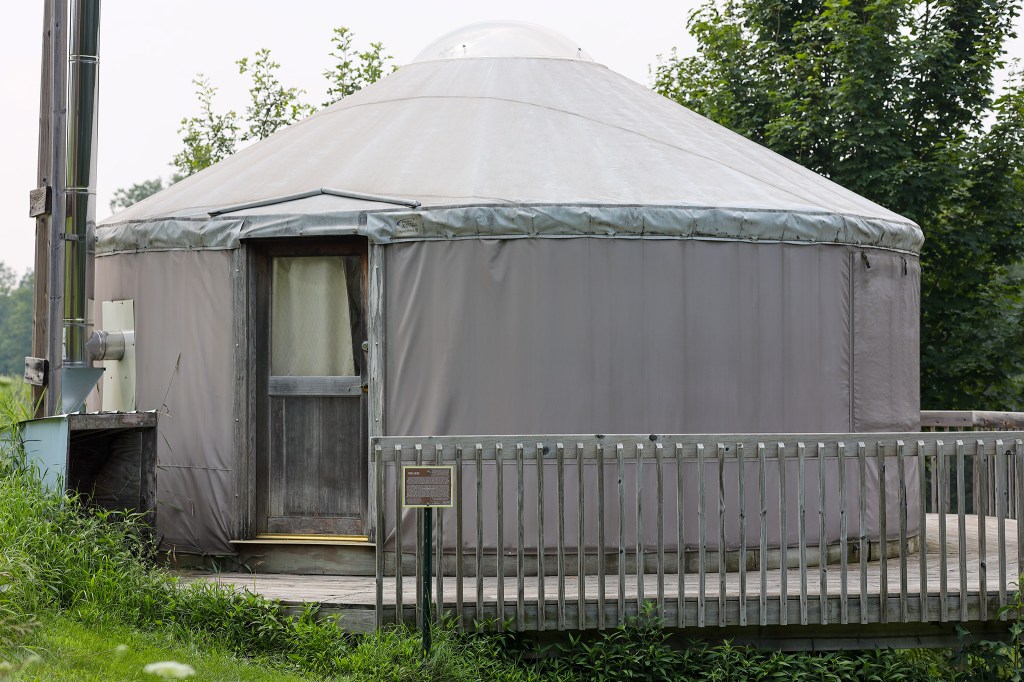
The Yurt 
Chapel of Creation 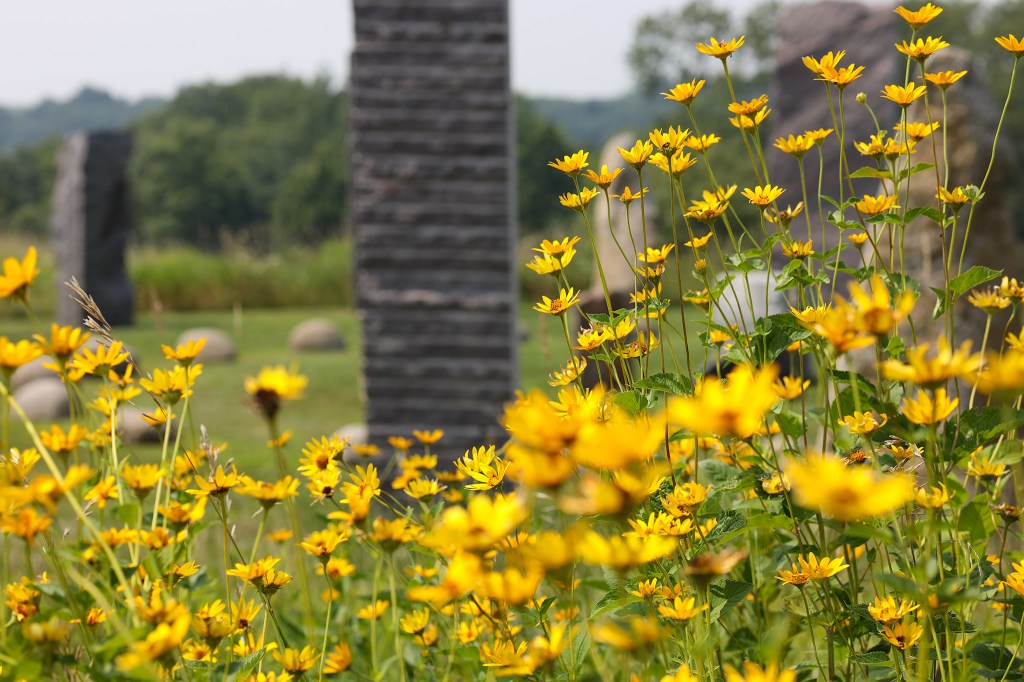
Black-eyed Susans by the Great Stone Circle -
Remastering Audio Is a Big Deal
Popular Science published an article earlier this year on mastering and remastering audio. I’ve found myself thinking about the article many times in the months since I’ve read the article, so I decided I would list some of the main takeaways as bullet points.
- Mastering an album literally means creating a master copy
- Newcomers in the record business used to create the masters, but it’s now a highly skilled career
- Creative mastering started in the 1970s when some people said, “Hey, maybe if I add a little low end here or a little top end there, the result will just sound a little bit better to the end listener”
- To make an album louder, one can’t simply turn everything to 11, since there is a delicate balance of frequencies created by the mixing engineer
- Furthermore, in the case of vinyl, too much volume in the low bass frequencies can actually kick the needle out of the groove
- Record companies created albums for the lowest common denominator (i.e. cheap record players likely to skip if there’s too much volume on the low end)
- If one listens to old records by Led Zeppelin or the Beatles, for example, there is very little volume on the low end
- Remastering an album happens when a previous master is optimized for a new format
- The first remasters were released in the 1980s and early 1990s, coinciding with the burgeoning CD format
- The first remasters for the CD format were “flat transfers,” which meant there were no alterations
- These older CDs can sound bland and quiet compared to the remasters available today, though some prefer the sound of these older CDs
- Remastering became a highly sought-after career because of the possibilities the CD format created
- Taste is subjective and every remastering project will have its share of fans and detractors
- In the digital age, masters are no longer physical objects but rather a digital file from which all copies are made
- Streaming music involves low bit rates, but their compression algorithms are more efficient than the those of the MP3s one may have from the era of pirated music
- Streaming platforms have all their music mastered specially for them, so the volume doesn’t change from one song to the next
- The demand for immersive audio with the rise of home theaters presents another opportunity for mastering
- This stereophonic sound is meant to emulate seeing a band live, with the vocals and drums coming from the center, the bass close by, and one guitar from the left and another from the right
- It can also be used to create sounds that seem to move from one side to the next
- Spatial audio standards, such as Dolby Atmos or DTS:X, add a third vertical dimension
- This adds a new challenge for mastering, since the audio needs to sound good in both spatial audio and standard stereo audio
- Mixing involves editing the sound on each individual track in a multitrack recording, whereas mastering involves editing the entire recording as a single unit
- The main tools in mastering are equalization (or EQ) and compression
- EQing is similar to adjusting the treble and bass knobs on a stereo
- Compression is about leveling off the quietest and loudest parts of a song so it sounds more even
- Mastering involves nuance, skill, and even knowledge of how perception works in the psychology of human hearing
- For example, loud sounds seem louder if they last longer and drums in hip-hop seem louder if they are in mono (or centered in a stereo configuration)
- Mastering is a lucrative career and is in as high of demand as ever
- Now that artists have moved out of the studio and record in their bedrooms, there is a greater need for professional mastering
 Scribner.org